
 Facebook
 X
X
 Pinterest
 Copy Link
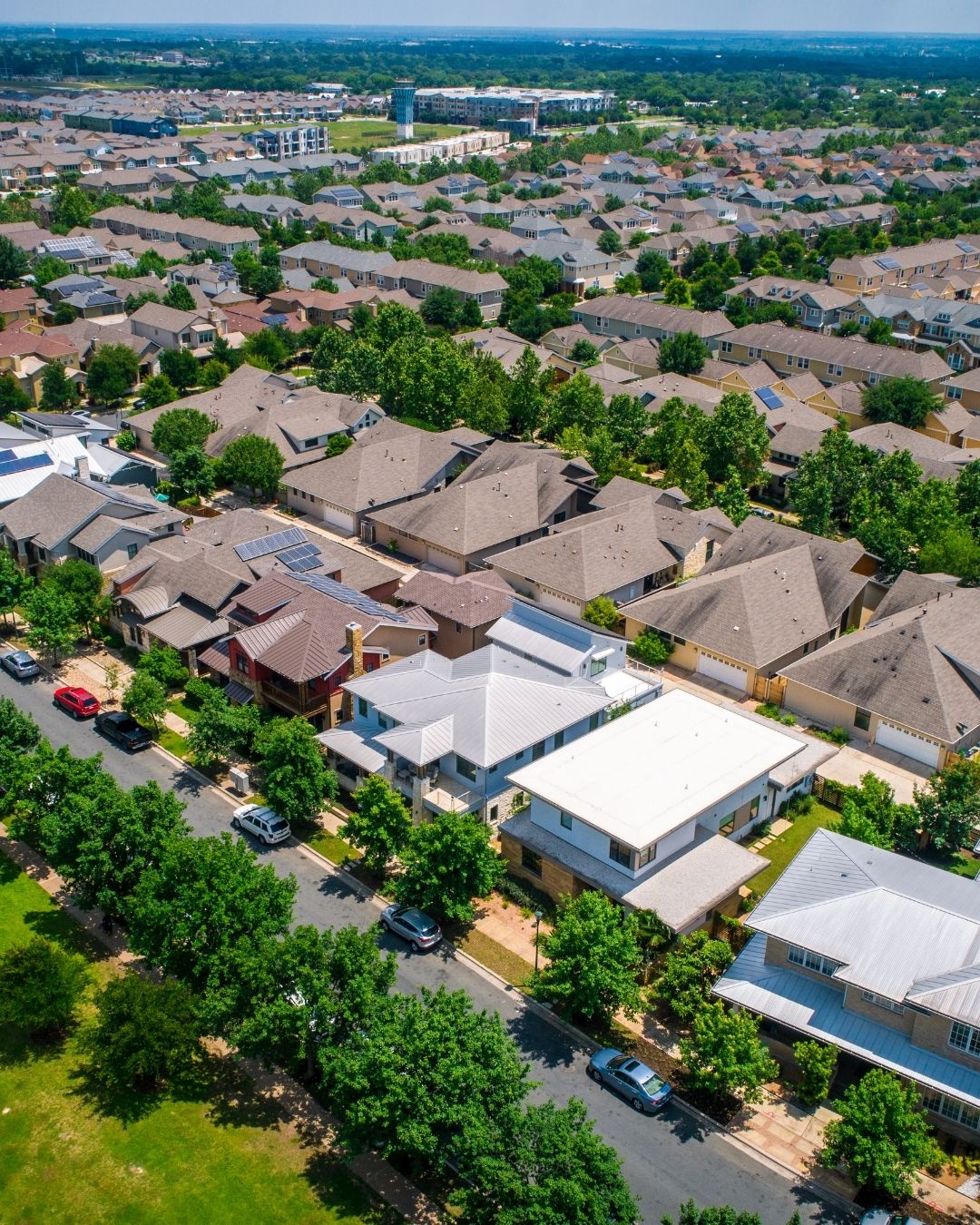
When it comes to investing in residential real estate, one of the most common debates is whether to choose single-family homes or multifamily properties. Each has its advantages and trade offs and the right choice often depends on your goals, resources, and appetite for complexity.
What’s the Difference?
-
Single-family properties are standalone houses designed for one tenant or family.
-
Multifamily properties contain multiple units under one roof or in one complex such as duplexes, triplexes, or apartment buildings.
Key Factors to Consider
1. Entry Cost & Financing
Single-family homes usually require lower capital to acquire and are easier to finance (with conventional residential mortgages). Multifamily buildings demand more upfront investment and often need more specialized financing or syndication models.
(Realtor highlights that single-family properties often build equity more quickly in the short to medium term, thanks to liquidity and ease of resale.) Realtor
2. Cash Flow & Income Stability
With a multifamily property, even if one unit is vacant, other units continue generating rent, which cushions income volatility. In contrast, a vacancy in a single-family home causes your entire rental income to disappear temporarily.
Multifamily investing also allows you to scale income more efficiently improvements or rental increases affect multiple units at once.
3. Management & Operations
Managing a single-family home is generally simpler just one tenant, one set of maintenance tasks. Multifamily properties bring more complexity: coordinating repairs, tenant turnover, common area upkeep, and potentially stricter regulatory demands. Many multifamily investors hire professional property management to handle such complexity.
4. Appreciation & Equity Growth
Single-family homes often benefit from high demand in broader markets, making them easier to sell. They can appreciate well in strong neighborhoods. However, multifamily properties are typically valued more on their income (Net Operating Income or NOI). That means proficient management and rent growth can drive value more directly in multifamily assets.
5. Risk & Diversification
Multifamily properties naturally diversify risk since rental income is spread across several units, one vacancy or tenant issue has less impact. However, they carry higher operating and financial risk, and require more robust due diligence.
Which One Fits Your Strategy?
-
New or smaller-scale investors often prefer single-family homes because of lower cost, simplicity, and liquidity.
-
Growing or experienced investors may lean toward multifamily properties for better scaling, cash flow, and long-term leverage.
If you’re considering investing in real estate, it’s worth running the numbers both ways projecting cash flow, vacancy impact, financing costs, and exit value.
Based on insights from Realtor’s “Single-Family vs. Multifamily Homes Which Builds Equity” and related real estate investment analyses.


